

Owning a dog is an additional responsibility, so before buying or adopting a pet, you need to think carefully about your decision. What should proper dog care include?
A four-legged family member should be properly cared for. It includes not only proper nutrition and care, but also veterinary prevention, which is important for both the health of the dog and the person. Each animal must be systematically vaccinated and dewormed - this applies even to small rodents, which often become companions of our life. The lack of proper veterinary care leads not only to the risk of losing a pet, but also to infection with dangerous zoonotic diseases.
We have found some valuable tips on basic dog care on WikiHow. The most important thing you need to know is that if you don’t have time to take care of a dog or you can’t provide it with suitable living conditions and proper care - don’t hesitate to buy or adopt it!
First: a well-balanced diet
The dog should be fed a quality food adapted to its age, breed, activity level, as well as possible diseases and food intolerances that an increasing number of dogs suffer from. Good food should contain a lot of meat, which is a source of protein. Good dog food does not contain grains, which are in the first place in the composition of cheap food. Moreover, vegetables, fruits and healthy fats, such as fish oil, are added to a properly balanced diet. Veterinarians recommend foods high in beef, lamb, turkey, duck, goose, fish, venison, and offal. Foods high in chicken should be given with caution as they often cause symptoms of food intolerance in dogs, eg. diarrhea, gas and vomiting.
Important! The dog should not eat leftovers from our plate, as well as sweets and fragile bird bones. In addition, he should always have access to fresh water and should not have too many snacks in the form of, for example, jerky, which is quite high in calories.
It is very important to feed your dog regularly and keep his weight at the right level. Puppies, very active dogs, working dogs, and bitches during pregnancy and lactation have higher nutritional requirements. Older dogs, neutered and neutered dogs, and sedentary dogs are particularly at risk of being overweight, which shortens a dog’s life by several years. Every dog needs to be given the right amount of exercise and socialization to prevent behavioral problems.
Second: systematic care and protection
The dog’s coat needs to be brushed regularly. Use the right flea and tick medication and consult your veterinarian about any changes in the appearance of your dog’s skin and coat.
A dog’s teeth should be cleaned with a special toothbrush and toothpaste or dental treats that help remove tartar, preventing gingivitis and tooth loss. Dog ears also require proper care - you need to check for inflammation and claws that need to be trimmed.
Third: ongoing veterinary care
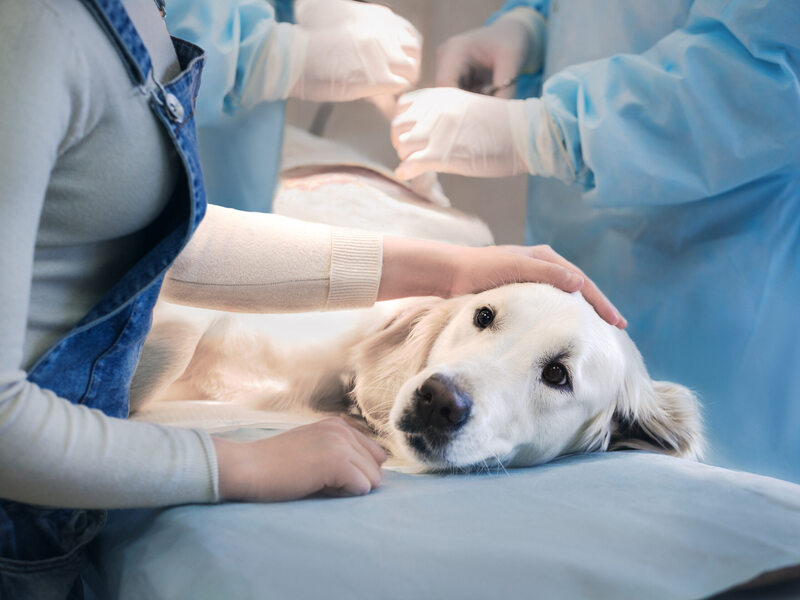
The dog must be under the constant supervision of a veterinarian, which includes, among other things: the necessary prophylaxis, i.e. vaccinations and deworming. In order to maintain health and reduce the problem of homelessness of animals, it is worth subjecting the dog to castration and spaying the bitch.
Source: Wprost

