
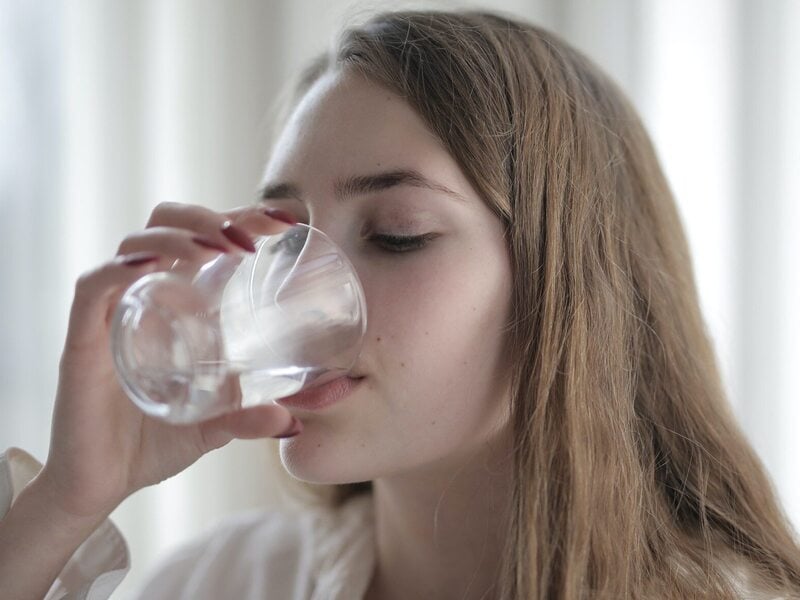
Many of us often forget to drink enough water. This, in turn, can lead to dehydration, which we are especially prone to when the temperature is high outside.
Water is necessary for the proper functioning of our body - it is involved in various processes occurring in it. It makes up 65 percent of our body (in the case of an adult). Drinking it regularly is very important. The need for water depends on many factors, but it is generally accepted that we should drink about 0.02 liters of water per 1 kilogram of body weight. Therefore, an adult should drink 1.5 to 2 liters of water daily. However, the exact standards depend on many factors. The temperature around us is just as important as whether we are physically active. Intense effort and heat outside means that it should be more (up to 4-5 liters of water per day).
What are the symptoms of dehydration?
Chronic dehydration is very hard on the body, but its symptoms are not always obvious and easily recognized. It can lead to loss of consciousness and damage to internal organs, and in severe cases, even death. During dehydration, the amount of water in the body falls below the amount needed for its normal functioning. What exactly does this mean? That the body loses more fluid than it receives. Dehydration is a serious threat, especially for young children and the elderly. The most common and most popular symptom of dehydration is simply increased thirst, but these are not the only symptoms. Initial symptoms of dehydration also include:
-
less frequent urination
-
dark yellow urine (normal urine color is straw yellow),
-
weakness,
-
dizziness,
-
headache,
-
drowsiness,
-
apathy.
In the later stages of dehydration, the following symptoms occur:
-
severe dry mouth
-
dry and cold skin
-
faster heartbeat,
-
decrease in skin elasticity,
-
lethargy,
-
heat,
-
decrease in sweating,
-
nervousness,
-
fainting,
-
urinary retention (or dark color and strong smell)
-
sunken eyes,
-
difficulty in taking in air.
What are the causes of dehydration?
We usually associate dehydration with hot weather - then it occurs as a result of intense sweating necessary to cool the body. If we don’t take care of proper fluid replacement, dehydration can occur. However, this is not the only reason for this condition. Others include various types of diseases (such as kidney problems) as well as:
-
diarrhea
-
vomit,
-
heat,
-
prolonged and intense physical activity,
-
taking too little fluid.
What to do to prevent dehydration?
Taking care of proper hydration of the body is important every day, but in hot weather it is especially important. It’s worth starting the day with a glass of water, and taking a bottle with you wherever you go – for a walk, for work, for school, for shopping. Keeping water in a conspicuous place so that it is always within our sight can also help us remind ourselves of the need to hydrate the body. It is also worth setting yourself “goals” - for example, divide the day by the number of glasses of water you drink and monitor your progress. You can also set an alarm on your phone to remind you to drink water. If you are not a fan of the taste of water - add fruits or mint leaves to it, then it will be much better.
It is also worth remembering that liquids include not only water, but also all types of drinks, including tea, juices, infusions and soups. Therefore, in hot weather, it is worth increasing their number. Fruits are also a source of water, for example:
-
melon,
-
grape,
-
oranges,
-
watermelon,
-
strawberry,
-
as well as vegetables such as tomatoes and cucumbers.
Source: Wprost

I have worked in the news industry for over 8 years. I have a deep understanding of how the news industry works and how to get information out to the public. I am also an author at Daily News Hack, where I mostly cover health news. I have a keen interest in health and fitness, and I firmly believe that knowledge is power when it comes to taking care of your body. I want to help people live healthier lives by sharing my knowledge with them, and LinkedIn is the perfect platform for me to do that.

