
- The age-old Walt Disney Animation animated classic has become a shared cinematic tradition spanning generations.
- The Disney Vault marketing gimmick has created an artificial need for consumers to buy limited edition films before they are locked up for at least another ten years.
- Re-releases and new editions of Disney classics have allowed films to maintain enduring power and a constant sense of novelty, re-introducing them to new generations.
Walt Disney Animation’s Centenary Celebration allows fans around the world to share their favorite moments and memories from the studio’s century-long collection of classic animated films. The studio’s legendary production of mesmerizing adventures, romantic tales and stunning musicals has touched countless audiences around the world and transcended age differences to become a shared cinematic tradition that spans generations. While Disney’s animation library is now readily available for digital streaming anytime on Disney+ or brought home on Blu-ray on store shelves year-round, there was a time when fans could only watch and own movies like The jungle book, Peter Pan And Cinderella only for a limited time.
Disney animation thrived thanks to big-screen exhibition
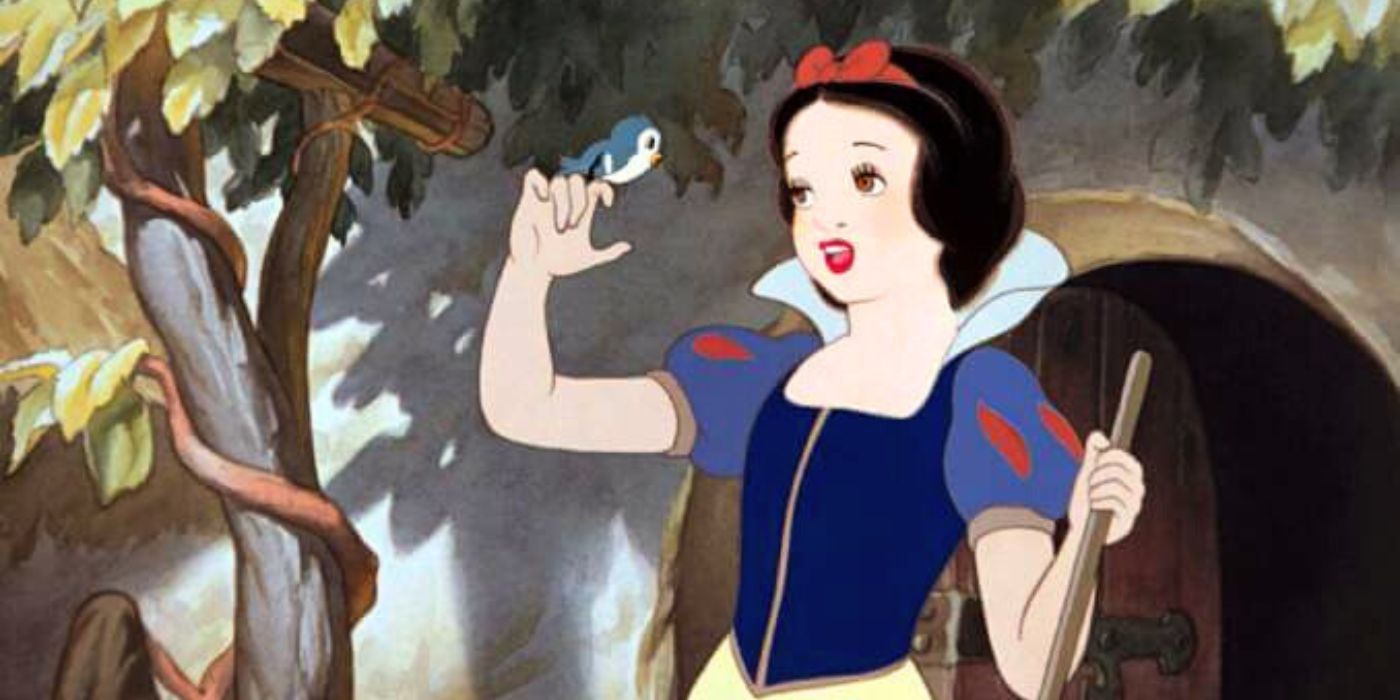
For much of the industry’s early history, film reruns were limited to theatrical re-releases made years after a particularly successful film was first shown in theaters. If audiences didn’t see the film when it first came out, they either didn’t get to see it again or would have to wait for a re-release in theaters. The Disney Studio has capitalized on this practice with their acclaimed archive of classics both for a steady source of income and to ensure that their animation efforts are remembered and a constant presence in the cultural zeitgeist for decades. Extremely popular titles such as Snow White and the Seven Dwarfs And Peter Pan would receive re-releases a maximum of twice a decade after their premiere until the 1990s. Parents who saw Pinocchio on the big screen when they were young, over the years they were given many chances to see him again with their children, grandchildren and so on.
At the turn of the 1980s, the advent of VHS and home video proved commercially viable and made it possible to mass-rent, own, and re-watch movies in consumers’ homes. Because it was still a new market, Disney was initially hesitant to release its animated films on VHS due to concerns that putting them on video would cheapen the prestige of the theatrical animation brand and discourage audiences from returning to the theater to see them on the big screen, threatening the theatre’s revenue stream. . After all, if families can purchase Pinocchio on home video and watch it over and over again, why pay for a ticket to see it in theaters every decade?
The vault gives and the vault takes

In this corporate and commercial climate, the infamous “Disney Vault” was born, a cunning marketing gimmick that convinced multiple generations to buy Disney animated films in bulk. Whenever a Disney cult classic or even a new release debuts on home video, it’s only going to be in limited supply and even more limited, creating an artificial need for consumers to “bring home the magic” before it’s locked into storage for at least another for ten years. Mermaid, The beauty and the Beast And Aladdin will only stay on the shelves for a limited time and then be phased out, creating even more demand for them.
The Disney Classics VHS line was the original limited series that put movies like Robin Hood, Dumbo And Bambi on home video for the first time before “locking them in storage”. The next compilation, Disney Masterpiece, continued to put more of the studio’s films on video for the first time, as well as redistributing films from the Classic line in a new run before “locking them up” again. This marketing method has not only justified itself. was successful for Walt Disney Home Video in mass moving copies of the same movie every few years, but has continued and found new life with the advent of digital disc formats, leading to platinum and diamond DVD releases, and more recently 4K. Blu-ray Signature Collections.
Reissues have helped keep classics fresh

While the “vault” was marketed as a method of preserving Disney’s animation library, in practice it was a marketing ploy to hold on to the most profitable films until demand for them peaked every ten years or so. While it may have been ingenious consumer manipulation bordering on super-villainy, the “vault” periodically re-released films every few years has given Disney’s back catalog of great animated films an enduring strength and a constant sense of novelty that few other films in the world have. history has been achieved over the past century.
Each new re-release of a classic that “escaped” from storage was seen as an event that celebrated the enduring power of the films themselves and the studio’s legacy. As transparent as the practice of re-releasing films in each new video format has been, each new edition has been released with the intention of giving the film new prominence and reintroducing it to those who are waiting to discover or rediscover it. Each new edition of films such as sleeping Beauty, Lady and the Tramp And Alice in Wonderland was subjected to a new restoration “beyond its original splendor”, behind-the-scenes features and documentation never seen prior to release, and in some cases new episodes were added that offered a completely remastered version of the film, such as in the case of special film releases. The beauty and the Beast And The Lion King this added new all-music pieces created specifically for their new re-release. Features and restorations like these may have been considered superficial perks that guaranteed new repurchases of older films, but over time they have become part of the film’s legacy in their own right.
The true power and value of the “vault” lay not in how it limited the physical availability of each edition, but in how it expanded the availability of them, constantly reintroducing films to new generations with a wider reach than theatrical re-releases. . Even at its 100th anniversary, Disney has always been looking for ways to renew interest and awareness for its older animated films, whether through sequels, spin-offs, and even lackluster live-action remakes. Despite all the marketing gimmicks Disney used for its animation library, the now-defunct Disney Vault helped generations appreciate the timeless appeal of movies as art and encouraged resistance to them as they matured.
Source: Collider

I have worked as a journalist for over 7 years and have written for many different publications. I currently work as an author at Daily News Hack, where I mostly cover entertainment news. I have a great deal of experience in the industry and am always looking to learn more. I am a highly motivated individual who is always looking to improve my skills. I am also a very friendly and personable person, which makes me easy to work with.

